
🚨 Join Alex & Geof at 2:30 p.m. ET🚨
We are tracking whether the recent gold bloodbath is finally over. Plus, discover the latest meme stock targeted by Wall Street Bets and a brand-new play from a legendary 2008 short seller [tap to join us for Profit Panel]
I have to tell you about something that completely changed how I think about entries.
For years, I used higher time frame analysis to identify key levels, and that part hasn’t changed. But the real breakthrough came when I stopped waiting for confirmation on those higher time frames before acting.
Instead, I drop down to one-minute and five-minute charts specifically for timing entries.
The difference in risk is so dramatic that once you feel it in your own trading, you don’t go back.
Let me explain how it plays out…
The FOMC Entry That Proved Everything
When the S&P 500 (SPX) reached my $7493 level at 2:34 p.m. ET on FOMC day, I didn’t have an hourly signal. Most traders would’ve waited for confirmation, but that would’ve inflated risk for no real reason.
The one-minute chart flashed a clean entry signal, and that was enough.
Waiting for the hourly signal would’ve forced a 20-point stop. Entering off the one-minute signal cut that risk to just five points, with the exact same upside target.
Same idea, same conviction — just far less risk.
To put it simply, the hourly version leaves you chasing and managing wider stops, which increases emotional pressure.
The lower time frame version gives you precision at the level, tighter risk control, and a cleaner execution window.
Both trades aim for the same destination, but one is controlled and the other feels stretched.
The System That Prevents Overtrading
This only works because of one simple habit: alerts.
I mark higher time frame levels in advance, set alerts at those prices, and then I step away from the screen.
When the alert triggers, I check the one-minute or five-minute chart for confirmation. If it’s there, I take the trade. If it isn’t, I move on.
It keeps everything structured. It also removes the temptation to overtrade, because I’m not scanning charts all day waiting for setups that don’t exist.
The process is simple:
- Identify higher time frame levels.
- Set alerts in advance.
- Wait for price to come to you.
- Drop to lower time frames for execution.
- Act only if the signal is clean.
The psychological benefit is just as important as the technical one.
You avoid fatigue, reduce impulse trades, and stay focused only on moments where the market actually meets your plan.
This is how you turn wide, uncertain entries into tight, controlled execution — without changing the underlying trade idea.
Silas Peters
Silas Peters Trading
Follow along and join the conversation for real-time analysis, trade ideas, market insights and more!
- Telegram: https://t.me/+OhKACOpfD9U0OGUx
Important Note: No one from the ProsperityPub team or Silas Peters Trading will ever contact you directly on Telegram.
*This is for informational and educational purposes only. There is inherent risk in trading, so trade at your own risk.
P.S. How to Move on Stocks When the Insiders Do
It’s not enough that insiders are buying stock.
Nearly every profitable company issues stock buybacks now and again.
It’s a different thing entirely when only the top executives — privy to deals that happen days before hitting the headlines — are buying up at incredible rates.
And thanks to the Insider Dashboard, we’ve flagged the latest one.
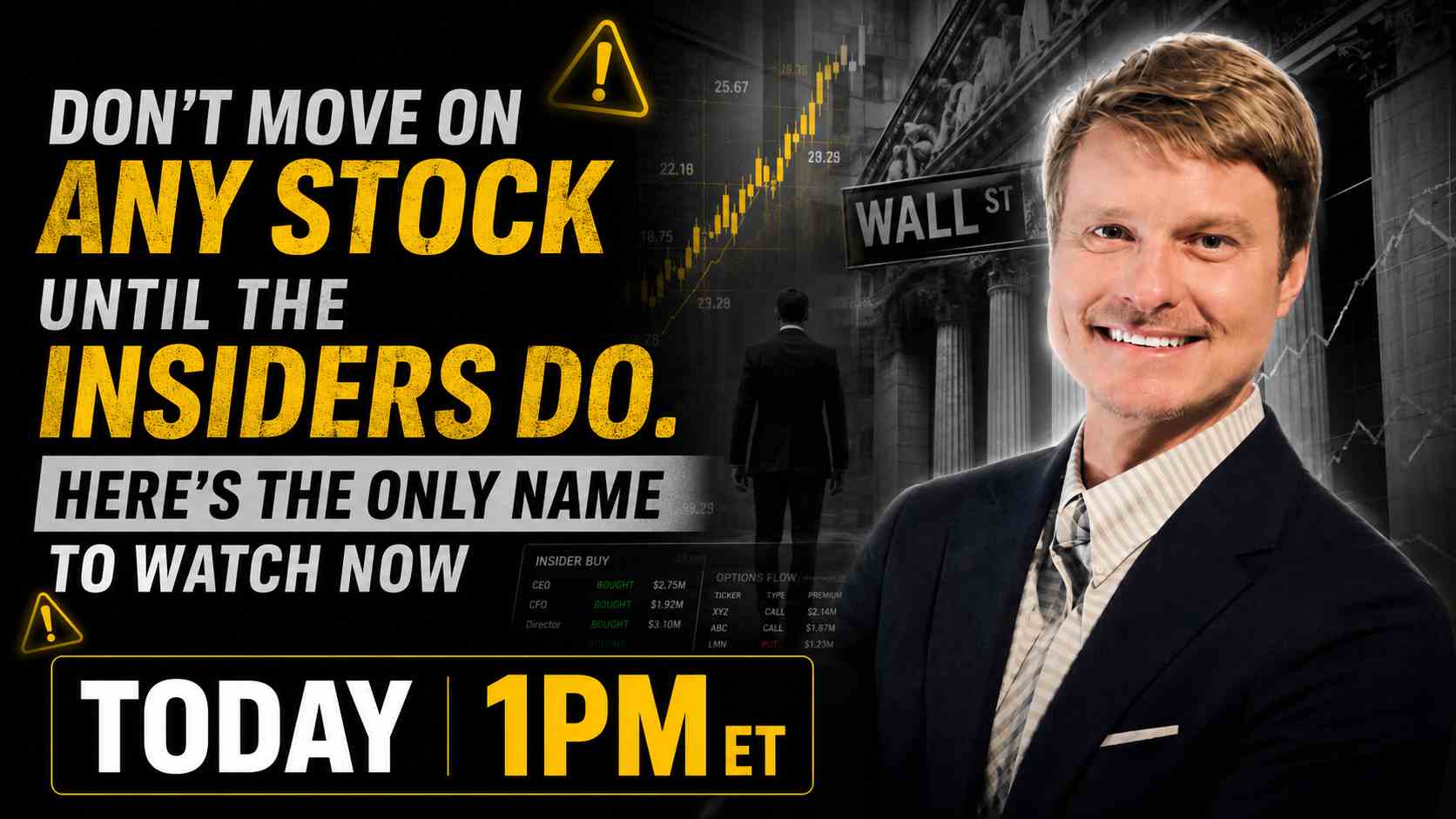
You’ll see:
- Which executives are buying up their own company stock
- How I flagged these insider buys with the Insiders Dashboard &
- How you can plug in for a shot at outsized payouts
No trading guarantees, of course.
But right now is not the time to approach the market blind.