
🚨 Profit Panel is live at 9:30 a.m. ET🚨
[tap to join us for Profit Panel]
One of the most frustrating things in trading is getting shaken out by a fake move right at the open.
You see red everywhere… The tape looks ugly… Your gut says run…
That emotional reaction is what institutions count on.
But sometimes that opening sell-off is nothing more than a reset. A shakeout. A move designed to push out weak hands before the real direction reveals itself.
That’s what we saw one Thursday morning, and it wasn’t hindsight — I called it as it was happening.
I warned everybody that morning that the sell-off in the first 30 minutes might be a fake-out. They pulled the same move the Wednesday right when Europe closed, then flipped the market right back around.
Those early warnings didn’t come from guesswork. They came from watching the market repeat a familiar setup almost beat for beat.
When European markets wrap up for the day, a wave of liquidity shifts. That shift often triggers quick, aggressive reversals in the U.S. session — especially when institutions want to run the market in the opposite direction of the morning open.
The Pattern That Keeps Repeating
I’d seen them run this play on Wednesday, and when the market dipped at the open again Thursday, the timing and behavior looked almost identical.
Sure enough, the reversal came earlier, but the script didn’t change — they flipped it right back around.
This is why patience pays. The first 30 minutes are a trap more often than a signal.
Sometimes the smartest thing you can do is wait and watch — especially when you’ve seen the same setup before.
That discipline paid off. As the session unfolded, the fake-out became obvious and the real move took shape. By midday, the market was lifting, Ethereum was ripping, and my longs were green.
Moments like that feel good — not because of luck, but because the setup was recognized early.
Why This Matters for Your Trading
Bonds have been sliding as rates push higher, and that pressure is shaping a lot of intraday action.
When rates jump, institutions adjust exposure fast, creating volatility that often shows up as fake opens and sharp reversals.
If you’re making decisions based purely on that first burst of red at the open, you’re walking straight into their strategy.
Institutions know retail traders panic early. They count on people reacting emotionally instead of structurally.
You see red everywhere. The tape looks ugly. Your gut says run. Don’t let that feeling decide your trade.
It’s one of the quickest ways to get shaken out of the real move.
And this isn’t something we navigate alone. The community keeps each other sharp — calling out setups, confirming patterns, laughing at the missteps, and celebrating the wins.
Buy the dip, man.
And of course, we still laugh about the gurus who delete their bad calls after the fact — we’re not them.
Honest accountability builds consistency. Consistency builds confidence. Confidence builds traders.
Geof Smith
Geof Smith Trading
Follow along and join the conversation for real-time analysis, trade ideas, market insights and more!
- Telegram: https://t.me/+lm8_Nq3Su104NmFh
- YouTube: https://www.youtube.com/@FinancialWars
Important Note: No one from the ProsperityPub team or Geof Smith Trading will ever contact you directly on Telegram.
*This is for informational and educational purposes only. There is inherent risk in trading, so trade at your own risk.
P.S. Institutional Money Is Moving Fast — Next Trade Inside
As institutional money moves fast, this massive asset is heating up for a historic run-up — and we are setting up our next weekly trade this week.
Last year, we bypassed the stock market completely and went a perfect 52-for-52.
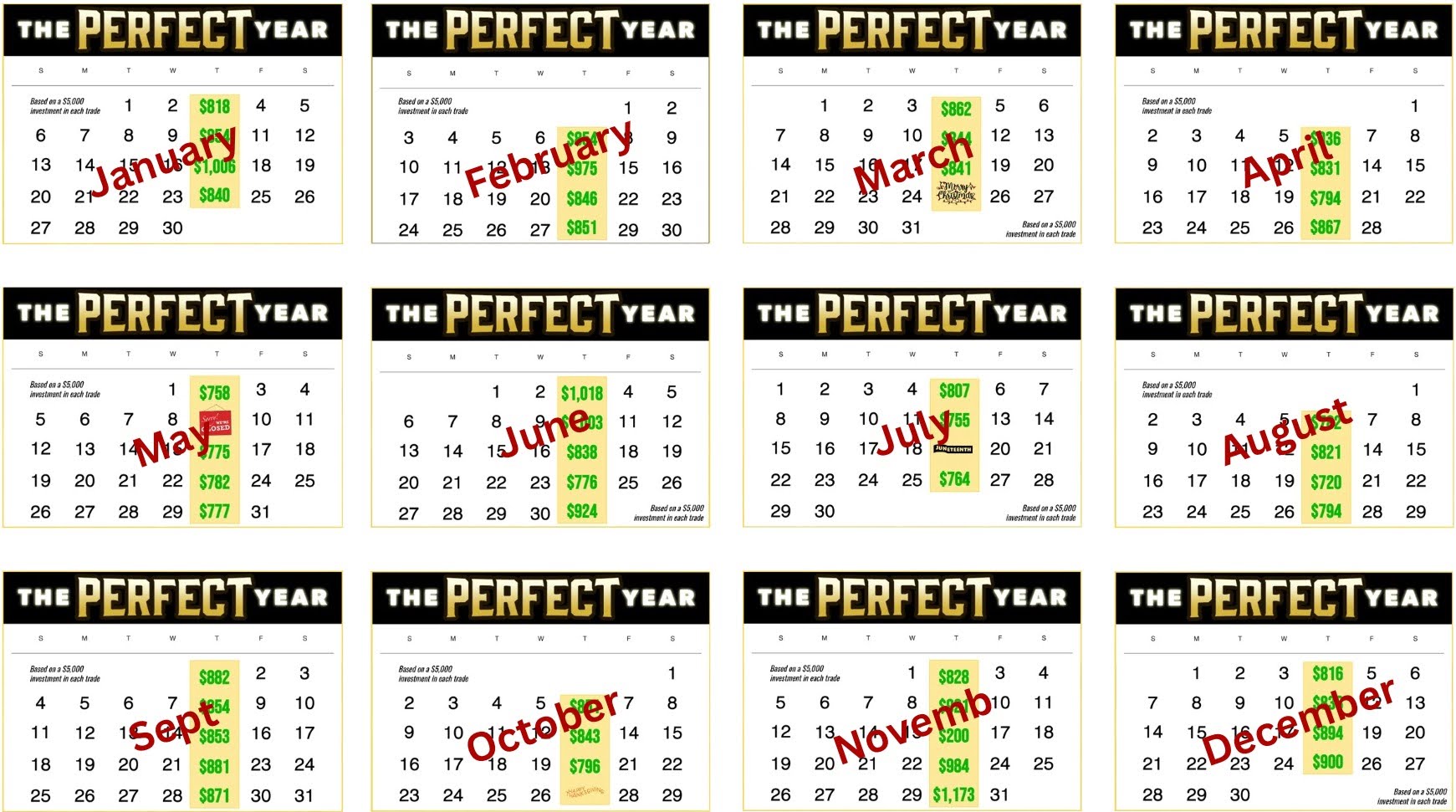
Access the private inner-circle briefing here before the next trade drops.
Claim Your Exclusive Spot Here
Disclaimer: Since 12/05/2024, the trading approach discussed today has published 66 trade alerts. 65 of 68 have returned as winning trades, for a 95.6% win rate. The average return per trade, winners and losers combined, has been 12.84% on an average holding period of 10 days. With a $5,000 starting stake, every trade targets about $841 in returns, and every trade you see today will be based on that $5,000 starting stake unless otherwise stated.