🚨 I’ll be live at 9 a.m. ET🚨
We’ll cover raising cash for the bulletproof portfolio, negativity vs. opportunity, inflation on deck and more [tap to join us for the Daily Profit Plan]!
Something massive is about to hit the trading world, and I’m not sure most people realize how big this is going to be.
Starting April 14, the pattern day trading rule as we know it is going away. The $25K minimum margin requirement drops to roughly $2,000 to $2,500, and the four‑trade trigger is being removed entirely — meaning traders can take as many intraday trades as they want.
This has been hinted at for years, but now it’s real.
And once it goes into effect, it’s going to change how retail traders participate. The number of small accounts gaining unrestricted intraday access will surge, and that alone can reshape activity patterns across the market.
There’s also a major economic angle. Brokerages and exchanges are positioned to see a wave of new engagement. Every newly active small account represents commission revenue, order flow and platform activity.
The regulatory shift is not only a win for traders — it’s a revenue engine for the infrastructure behind the markets.
What This Could Mean for 0DTE Trading
Right now, 50-60% of all S&P 500 options volume is already trading in 0DTE contracts. That concentration is unprecedented.
The obvious question is what happens when millions of newly enabled traders step directly into that environment. 0DTE — or zero days till expiration — provides immediacy, volatility and precision — which is exactly the mix smaller active accounts tend to prefer.
That alone points to even more flow heading in.
More participants also means more volume and more competition for edge, which ties directly into the broader market efficiency discussion. When a surge of small accounts begins trading aggressively intraday, markets adjust.
Some strategies compress, some become harder and new ones emerge entirely. It will be fascinating to watch how the landscape evolves.
But none of this is guaranteed to be smooth. More 0DTE flow could increase intraday swings or concentrate liquidity around specific price levels. It’s difficult to know how quickly or dramatically these dynamics shift, but the effects will be noticeable.
Who Really Wins Here?
A useful way to frame this change is to look at who benefits the most. The answer is not necessarily traders — it’s the platforms processing the orders. Exchanges, brokers and clearing firms capture the economics of rising participation. They profit from volume, not direction.
This is why some investors argue that instead of trying to out‑trade the market every day, it can be smarter to own the companies that monetize the activity.
Increased engagement feeds directly into their bottom line.
April 14 may look like a simple regulatory date, but it could mark the beginning of a major transition in how retail traders interact with markets — and how those markets react in return. Historically, rule changes like this have sparked bursts of innovation, volatility and opportunity. There’s no reason to expect anything different this time.
I’ll see you in the markets.
Chris Pulver
Chris Pulver Trading
Follow along and join the conversation for real-time analysis, trade ideas, market insights and more!
- Telegram:https://t.me/+av20QmeKC5VjOTc5
- YouTube:https://www.youtube.com/@FinancialWars
- Twitter:https://x.com/realchrispulver
- Facebook: https://facebook.com/therealchrispulver
Important Note: No one from the ProsperityPub team or Chris Pulver Trading will ever contact you directly on Telegram.
*This is for informational and educational purposes only. There is inherent risk in trading, so trade at your own risk.
.S. There’s Something Pretty Shocking You Won’t See in the Headlines…
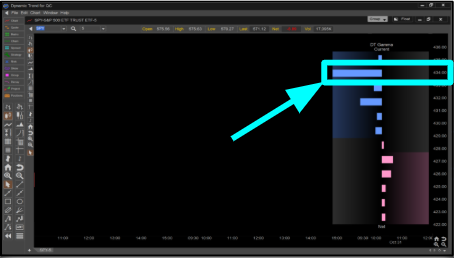
Thanks to liquidity levels, you can now track Wall Street’s undercover orders in real time…
And target daily returns every day the market opens!