🚨Opening Playbook is live at 10:30 a.m. ET🚨
I’m covering my Options Nerds segment today and more [tap to join us for Opening Playbook]
Something fundamental has changed in how markets move.
If you’ve been trading for more than a few years, you’ve probably noticed it.
The market no longer needs months to reset, extended consolidation periods or drawn-out corrections.
Now, the market can flush billions of dollars in a single day — and fully recover the next.
And I think I know why.
It’s a combination of 0DTE options and algorithmic trading. Together, they’ve transformed how quickly liquidity can be flushed from the system.
The Old Way Markets Used to Reset
Historically, if the market needed to clear out weak hands, expiring options and underwater positions, it took time.
The market might drop, consolidate, form a structured breakout or gradually round out. A sudden reversal could happen, but it was usually the exception. More often, the process unfolded across several expiration cycles as traders gave up or got stopped out.
Now, that process can happen in hours.
Roughly 60% of options volume is tied to 0DTE options. So when the S&P 500 (SPX) falls just 1%, the move can effectively wipe out about 30% of its options market in roughly six hours.
Think about that. What once took months can now happen during a single trading session.
The market doesn’t need to remain below a key level for weeks. One aggressive down day can create enormous pain, clear short-term positions and reset liquidity. By the next session, the flush may already be complete — leaving room for a full recovery.
How Algorithms Target Both Sides
When SPX drops 1.5% in a day, it can crush 0DTE call buyers while encouraging traders to add puts and bet on further downside.
Then SPX rips 1.75% higher the next day — wiping out many of those newly opened puts.
Day one punishes the call buyers. Day two punishes the put buyers. In just 48 hours, the market can extract premium from both sides.
Algorithms help drive this dynamic by monitoring positioning, put-to-call ratios and max-pain levels. After an initial decline, they assess how much pain remains available.
That can mean pushing the market down another 1% to clear more calls — or reversing sharply to target the put side instead.
That’s why violent whipsaws have become so common. Retail traders and even some hedge funds tend to react late, leaving them vulnerable when the market suddenly changes direction.
This is the new market structure. If you’re still waiting for the long consolidations and gradual resets that defined earlier markets, you’ll keep getting whipsawed.
The key is recognizing that markets can now refresh themselves in a day or two. Adjust your expectations, respect short-dated positioning and avoid chasing a move after the liquidity flush may already be complete.
Nate Tucci
Tucci Trades
Follow along and join the conversation for real-time analysis, trade ideas, market insights and more!
- Telegram: https://t.me/nate_tucci
- YouTube: https://www.youtube.com/@NewMoneyCrew
Important Note: No one from the New Money Crew team or Tucci Trades will ever contact you directly on Telegram.
*This is for informational and educational purposes only. There is inherent risk in trading, so trade at your own risk.
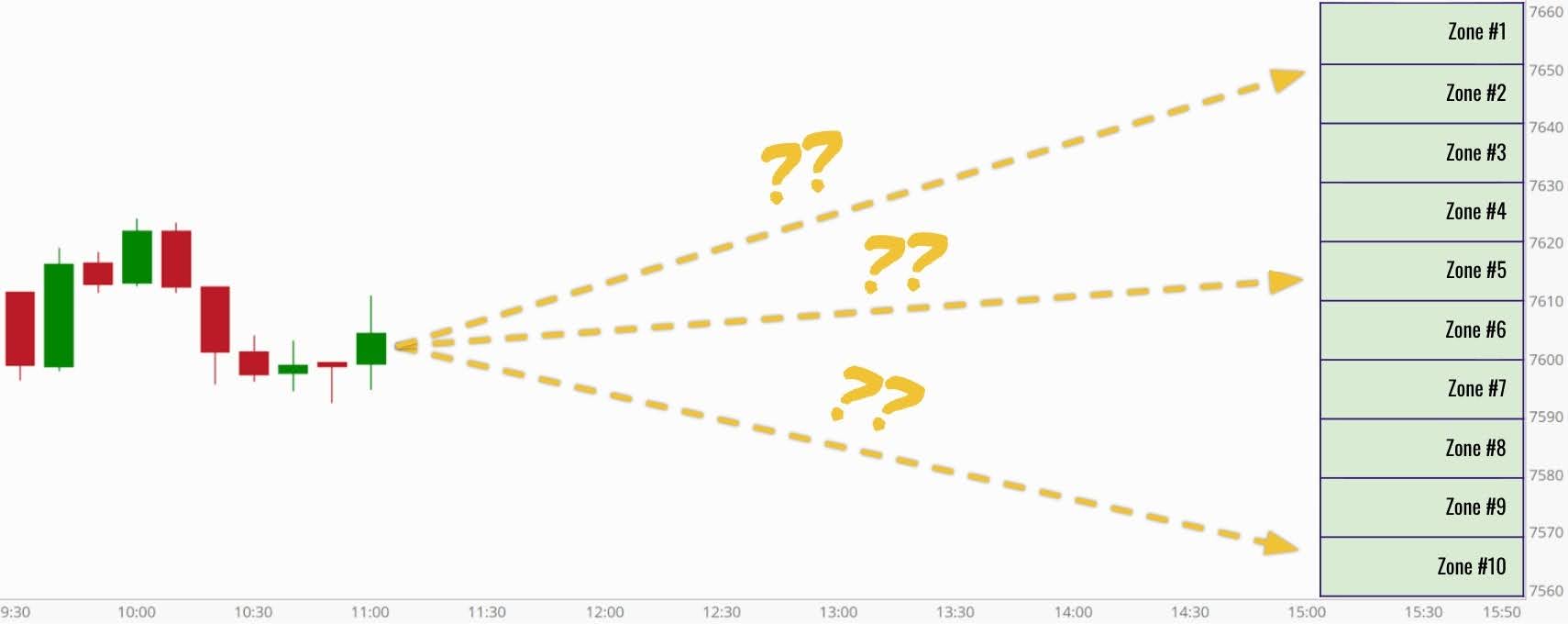
P.S. Don’t Play the Ugly Odds of Trying to Guess Market Direction
Let me show you how high can help flip even the ugliest odds in your favor and target cash regardless of direction.
Disclaimer: We develop tools and strategies to the best of our ability but no one can guarantee the future. There is always a risk of loss when trading. The method has been traded live since July 15th, 2026 – 09/15/26 with a 94.7% win rate on LIVE trades with a 14.4% average return daily – net of winners and losers.