Here’s something a lot of traders learn the hard way…
You don’t need to be glued to your screen all day to catch the best setups. The market has a rhythm, and once you understand it, you can work smarter — not longer.
So today, let’s break down a simple but powerful timing concept every day trader should understand before sitting down each morning.
Two Windows — That’s Where the Action Lives
Most trading action comes in the first 90 minutes after the open, then again in the last 90 minutes of the trading day. Those are your two primary windows for high-octane momentum trades.
Outside those windows, volume often fades and price moves can lose conviction. Trying to force momentum trades during the midday lull is one of the fastest ways to get chopped up.
This is one reason I’ve been leaning more toward day trading in the current environment. It gives traders the flexibility to respond to changing conditions without carrying every position overnight.
If momentum appears after the open, you can focus on a defined same-day setup with a planned entry, stop and profit target. If that momentum fades, you can reduce risk, exit or pivot rather than hoping the market eventually cooperates.
That flexibility matters in volatile markets. A strong morning breakout may call for a momentum approach, while a range-bound midday session may favor a credit spread or another income-based strategy that doesn’t require an explosive move.
If volume returns near the close, you can reassess the market and look for a fresh setup. The goal isn’t to trade constantly — it’s to match the strategy to the conditions.
Use Technology to Focus Your Attention
Modern trading tools can make these windows more manageable. Instead of manually scanning dozens of charts all day, technology and AI can help identify unusual momentum, shifts in volume and stocks that may be preparing to move.
My Newton Software, for example, is designed to pinpoint stocks with the potential to race higher, giving traders a better shot at finding same-day opportunities during the market’s most active periods.
But software should support your decision-making, not replace it. A signal still needs a defined risk level, an invalidation point and disciplined position sizing. No tool can guarantee a move, so traders should use alerts as a starting point and confirm that price action, liquidity and market conditions support the trade.
The practical takeaway is intention. Focus your most intensive monitoring during the first and last 90 minutes, when momentum setups are most likely to develop.
During the midday lull, step away, reset or manage income-oriented positions. Let technology narrow your focus, then apply your own risk rules before acting.
Trading isn’t about how many hours you put in. It’s about putting in the right hours, using the right strategy and staying flexible when conditions change.
Graham Lindman
Graham Lindman Trading
Follow along and join the conversation for real-time analysis, trade ideas, market insights and more!
- Telegram:https://t.me/+abM5RWRJKrpkNWI5
- YouTube:https://www.youtube.com/@NewMoneyCrew
Important Note: No one from the ProsperityPub team or Graham Lindman Trading will ever contact you directly on Telegram.
*This is for informational and educational purposes only. There is inherent risk in trading, so trade at your own risk.
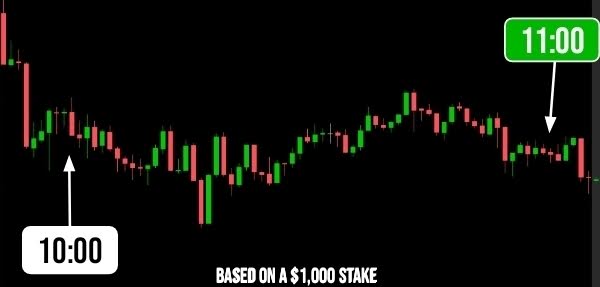
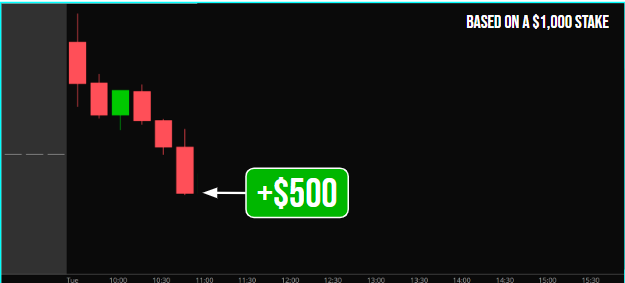
P.S. Have You Heard About This 10AM Secret?
And how you can use it to target $500 on a $1k stake every market day?