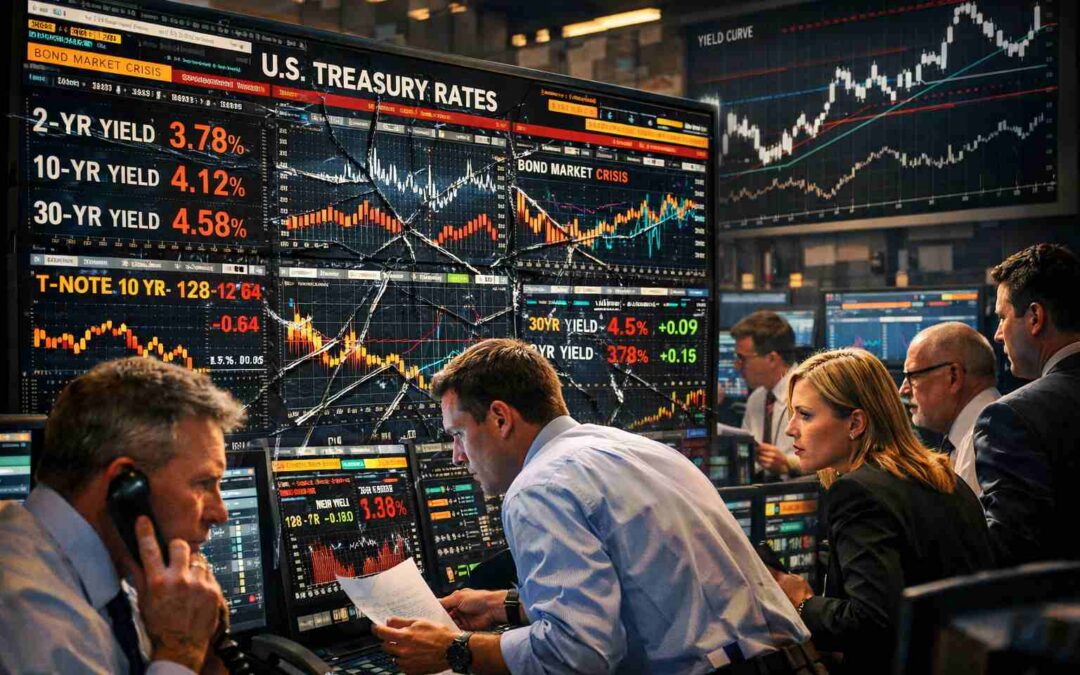
🚨 Join Graham and me at 10 AM ET for the Opening Playbook🚨
Big-picture trends are shifting fast, and Alex joins Opening Playbook to break down what really matters now, including one stock trading under $6 that’s caught his attention, plus a sharp preview of the biggest earnings day of the year and the key moves traders should be watching. [tap to join us]
Here’s a question I’ve been thinking about a lot lately…
How much of an edge do you really need to make life-changing money?
Most traders think they need some kind of holy grail — a setup that wins 80% of the time or a system that catches every major move.
But the truth is way more interesting than that…
Let me tell you a story about Phil Ivey.
Back in 2012, Phil Ivey — arguably the most famous poker player in the world at the time — walked into a casino and found a way to create an imbalance in the game of Baccarat. The casino’s standard edge in Baccarat is only 1%.

A tiny, almost invisible advantage.
And yet, that 1% imbalance is enough to make billions for casinos worldwide.
Ivey didn’t hack the game.
He didn’t guarantee himself a win on every hand.
He and his associate created just a 5-7% edge in their favor.
Still small. Still subtle.
But with that slight tilt, they profited over $10 million in just two days.
Why? Because he understood the power of positive expectancy.
Every hand he played with that small advantage stacked odds in his favor over time.
Why This Matters for Your Trading
The real lesson here isn’t about gambling.
It’s about how imbalances work — and why you don’t need massive edges to have a phenomenal advantage.
In trading, a favorable imbalance often shows up when the probability of a certain trade is actually higher than the risk-reward baked into the pricing.
It means the math quietly tilts toward you, even if the odds don’t look dramatic at first glance.
The options market is especially powerful for this because it rewards efficiency. With risk-adjusted ROI, you can target the same markets with bigger profit potential on less movement.
Sometimes a tiny shift in price delivers a disproportionately large return because of how spreads are structured.
Take a simple example. Imagine a 20-cent debit spread that could return 80 cents — a 400% return.
If the true probabilities suggest a 30% chance of success, that’s a meaningful imbalance. You don’t need it to win every time.
You just need the odds to be slightly better than what the pricing implies.
In fact, look at a real options chain on the S&P 500 (SPY).
When you scan the debit spreads, you’ll notice how the ROI changes as you move from strike to strike. These are the spreads.
Some offer terrible expectancy, others offer a quietly powerful imbalance.
The edge is right there — if you know where to look.
The One Thing You Need To Remember
If you have the greatest edge in the history of trading, it will not apply to a single trade. It can only apply to a series of trades.
That’s the part most traders miss.
You have to apply your edge consistently or it doesn’t matter.
A small imbalance becomes powerful only when repeated over and over again.
That’s what Phil Ivey understood.
And that’s what separates consistent traders from gamblers.
So the next time you see a setup, don’t ask if it’s perfect.
Ask whether the imbalance tilts in your favor — and whether you’re willing to take it every time it appears.
Be sure to join me and Graham Lindman at 10 a.m. ET on weekdays on the Opening Playbook!
Nate Tucci
Tucci Trades
Follow along and join the conversation for real-time analysis, trade ideas, market insights and more!
- Telegram:https://t.me/nate_tucci
- YouTube:https://www.youtube.com/@NewMoneyCrew
Important Note: No one from the New Money Crew team or Tucci Trades will ever contact you directly on Telegram.
*This is for informational and educational purposes only. There is inherent risk in trading, so trade at your own risk.
The Doors to the Emergency Roundtable Zoom Room are About to Open
The doors to the Emergency Roundtable Zoom room are about to open.
This was never meant to be a routine session.
But because of what’s lining up this afternoon… We had no choice but to schedule the event ASAP.
In a little while, Fed Chair Jerome Powell will step on stage and set the pace for the entire year.
Then, after the market closes, Tesla reports earnings.
Those two events hitting back to back isn’t something you wait around to react to.
Once the market decides how it feels, the move is already underway.
I can’t promise future returns or protection from losses,
What we are doing in this roundtable is walking through how these events could interact…
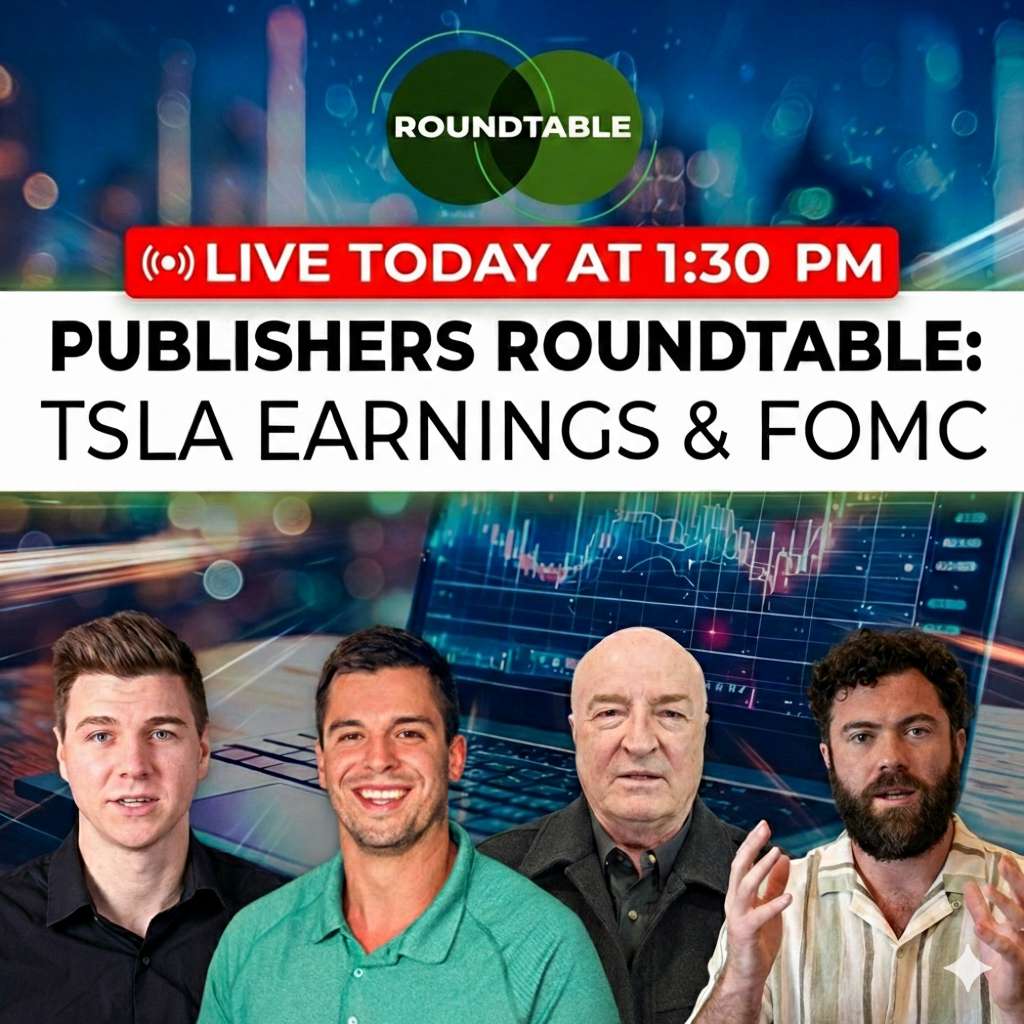
And how to think about risk before the headlines start flying.
Even if you just started trading today, you should be in this room.