
🚨 Profit Panel is live at 9:30 a.m. ET🚨
Is software about to keep its run going? Today, we’re dissecting the weekend war news — plus, the 1 sector Blake wouldn’t touch with a 10-foot pole [tap to join us for Profit Panel]
We all remember the COVID lockdowns.
You couldn’t go anywhere or do anything. Everyone was stuck at home ordering deliveries — and hardly anyone was driving.
With demand collapsing, refineries became unprofitable and some were shut down or converted. But COVID didn’t create the entire problem. It accelerated a decades-long decline in American refining infrastructure.
In the 1980s, the United States had more than 300 operating refineries. Now it has roughly 130. Today’s remaining facilities can process more oil individually, but fewer refineries still means less flexibility when one closes or goes offline.
The Capacity Problem Nobody Wants to Talk About
Gasoline prices aren’t determined by crude oil alone.
Crude oil is the raw material. Refineries turn it into gasoline, diesel and other fuels. The price at the pump reflects both the cost of crude and the cost of refining it — along with distribution, taxes and retail margins.
That’s why headlines about crude jumping from $68 to $85 don’t tell the whole story. Even when oil prices moderate, limited refining capacity can keep gasoline expensive.
You can have plenty of crude available, but if there isn’t enough capacity to process it efficiently, the bottleneck remains.
And it wasn’t just weak economics that discouraged refinery investment. Environmental pressure, permitting hurdles and uncertainty about the long-term future of fossil fuels all made companies reluctant to spend billions of dollars on facilities that take years to build.
Energy Transitions Require Real Infrastructure
You can’t flip a switch and replace the capacity that disappeared. Building or expanding a refinery can take years and cost billions of dollars.
The same reality applies to renewable energy and rising electricity demand. America doesn’t yet have the grid capacity to support every proposed data center, factory, electric vehicle and electrification mandate. Major technology projects — including developments associated with Nvidia (NVDA) — have prompted discussion of multibillion-dollar grid investments in places such as Ohio.
That should tell you something. Whether the energy comes from oil, natural gas, nuclear power or renewables, infrastructure has to exist before demand arrives. If it doesn’t, consumers pay the price.
The lesson is simple: Temporary demand shocks require temporary solutions. Destroying permanent capacity during a crisis creates structural problems, while promising an energy transition without building the necessary grid creates another bottleneck.
You can’t have it both ways.
Geof Smith
Geof Smith Trading
Follow along and join the conversation for real-time analysis, trade ideas, market insights and more!
- Telegram:https://t.me/+lm8_Nq3Su104NmFh
- YouTube:https://www.youtube.com/@FinancialWars
Important Note: No one from the ProsperityPub team or Geof Smith Trading will ever contact you directly on Telegram.
*This is for informational and educational purposes only. There is inherent risk in trading, so trade at your own risk.
P.S. I’m Revealing the Next Set of Wall Street’s Sleeper Cell Orders
My research led me to a hidden phenomenon that’s been giving Wall Street an edge for 64 years.
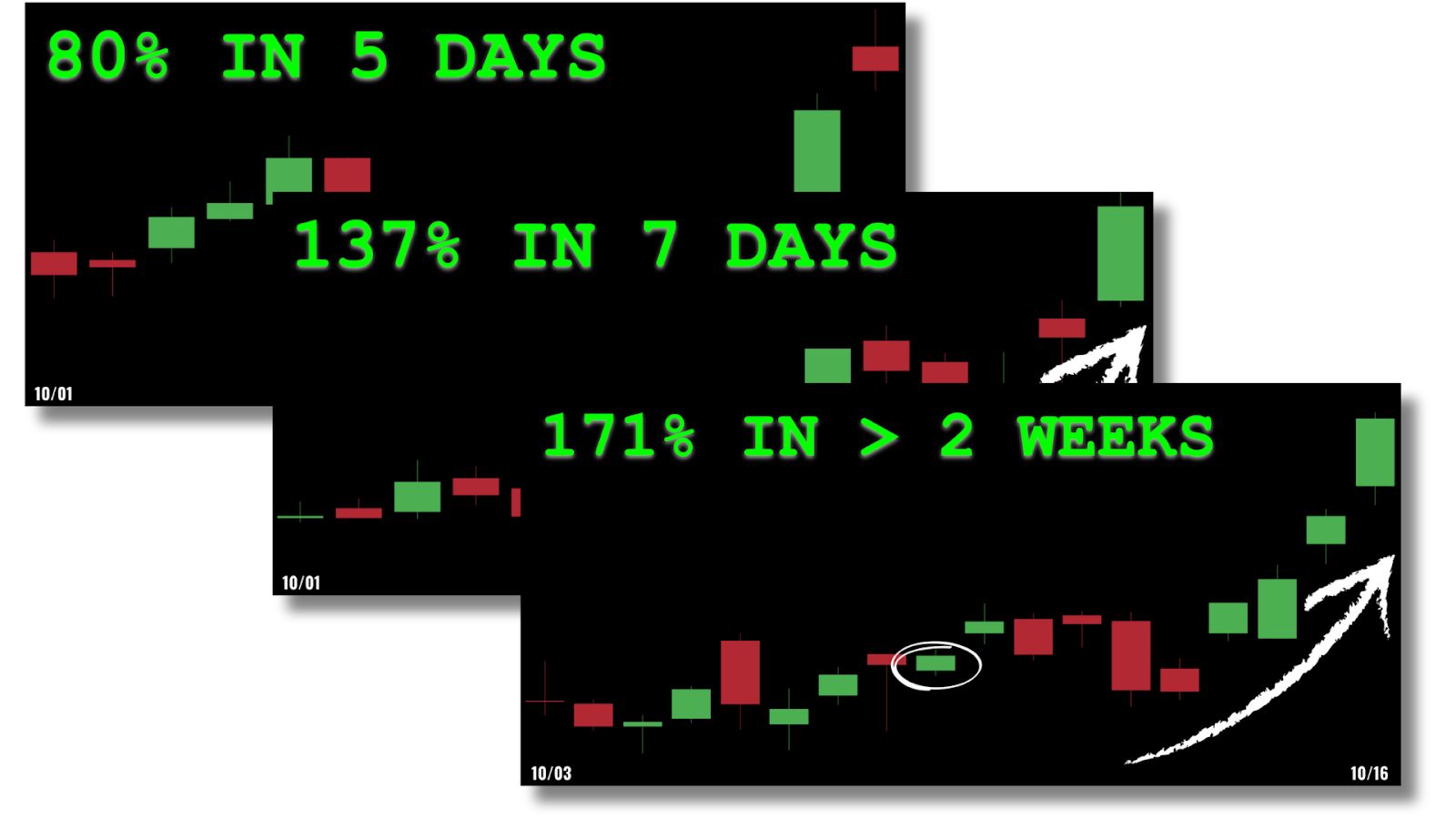
Now I’ve traced these sleeper cell orders to certain stocks set to surge this over the next few days
Disclaimer: *The trades expressed today are based on signals from the Sleeper Cell Scanner with the benefit of 20/20 hindsight unless otherwise stated. According to a backtest of 64 years of data dating back to 1962, the signals pulled by the scanner would have been 81.9% accurate on over 7,300 trade signals… No strategy is perfect, and wins are not guaranteed. There are bound to be winners and losers along the way. Since the Sleeper Cell Scanner is a tool for traders and not a trading service, profits and performance will vary among users.