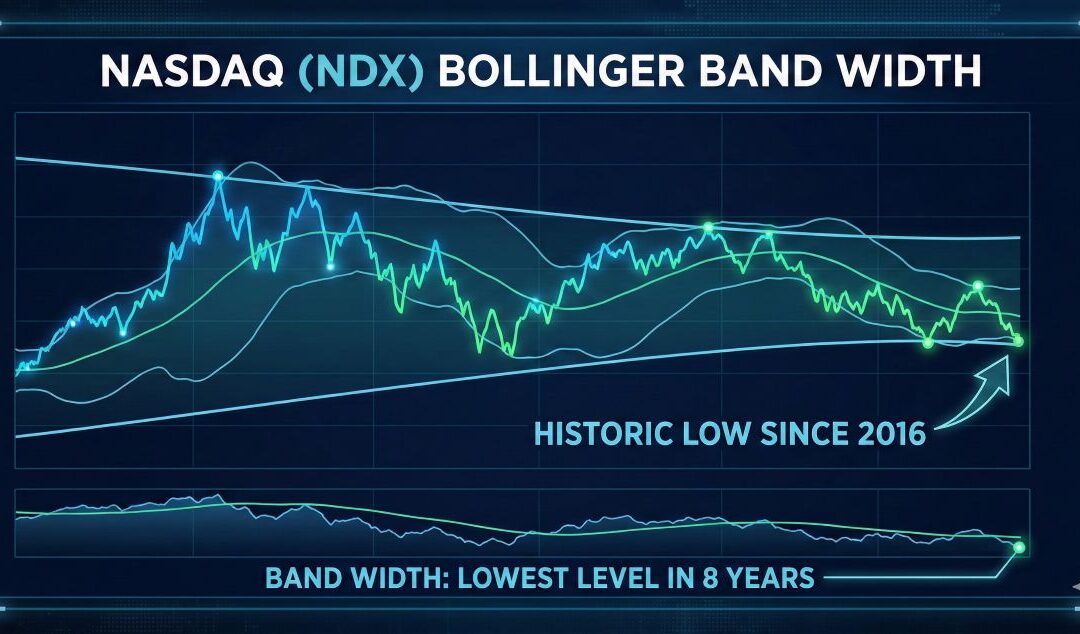
🚨 I’ll be live at 2:30 p.m. ET with Alex Reid🚨
We’ll cover a sleeper nuclear stock, today’s SPX Iron Condor setup, and Nvidia’s potential market impact [tap to join us for Profit Panel]
If you’ve been trading spreads on expensive stocks, you’ve probably bumped into this question: Do I go narrow and collect less, or widen the spread and tie up more capital?
It’s one of those decisions that sounds simple until you’re staring at the strikes.
Let me walk you through how I handled it recently on Constellation Energy (CEG), which was trading around $300 a share.
The choices were clear enough on paper, but the real decision comes from understanding what each spread width actually does to your premium, your risk and your capital efficiency.
Spread Width Matters More Than You Think
On a monthly expiration — the third Friday of every month — like March 20, you can work with $5-wide spreads. Weeklies like March 13 or March 27 push you into $10-wide spreads, which is often the only way to get a decent fill when the bid/ask spreads on a $300 stock get too wide for the narrower five-point strikes.
That shift isn’t just cosmetic — it changes the entire structure of the trade.
Narrower spreads cap the max loss sooner, use less buying power and collect lower premium, while wider spreads collect more but pull more capital into the position, and give you a bigger downside if things move against you.
To make it concrete, I looked at a five-point 335/340 spread going for about $0.95. For a stock at $300, that’s normal pricing — tight range, steady premium and manageable risk.
Compare that with a $10-wide version and you’re in a completely different scenario. More premium comes in, but it’s paired with more exposure and more to manage if CEG tests your strikes, which is why I centered my attention around strikes 10-13% out-of-the-money (OTM).
That range gives enough room for normal movement without chasing unrealistic probabilities.
What Happens If You Hold to Expiration?
Some traders like to ride their spreads right into the closing bell, though that’s not my style. If you’re holding a 335/340 spread and CEG closes above $340, you’ve hit the “max loss” scenario.
At that point, your broker doesn’t credit you anything — they debit the full $5 difference, or $500 per contract, from your account to settle the obligation. Since you already collected a premium upfront, like $0.95, your net out-of-pocket loss is the width of the spread minus that initial credit, so $4.05.
Because CEG is a stock and not a cash-settled index, holding into Friday’s close also triggers the assignment process. You’d technically be selling shares at $335 and buying them back at $340.
While most modern brokers net this out automatically, it can create a messy margin spike on your Saturday morning statement, which is why I don’t wait for that headache.
I prefer taking my premium, managing the trade and closing it manually before the final session ends.
It avoids assignment surprises and removes the guesswork that comes with last-minute “pin risk” moves. If the stock makes a sudden move toward $315 — as it did this week — that’s my cue to look at rolling the position or closing early to preserve what’s left of the premium.
Knowing the mechanics helps you decide how tight you want to run your trades and how much risk you’re willing to let sit on the table.
So when you’re working with pricey stocks, start by asking how much capital you want tied up, how much premium you need and how far OTM you’re comfortable going.
Once those are clear, the rest falls into place.
👉 Click here to join Profit Panel at 2:30 p.m. ET on weekdays!
Geof Smith
Geof Smith Trading
Follow along and join the conversation for real-time analysis, trade ideas, market insights and more!
- Telegram: https://t.me/+lm8_Nq3Su104NmFh
- YouTube: https://www.youtube.com/@FinancialWars
Important Note: No one from the ProsperityPub team or Geof Smith Trading will ever contact you directly on Telegram.
*This is for informational and educational purposes only. There is inherent risk in trading, so trade at your own risk.
P.S. Why the Price of Silver Could Rise Steeply
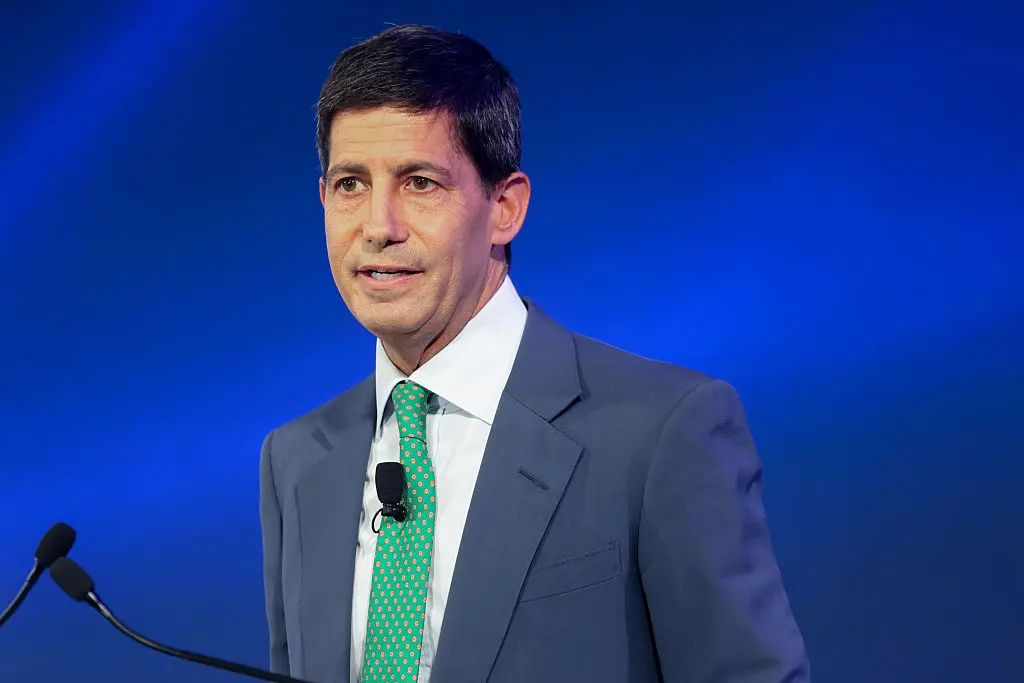
The pressure is on Fed Chair nominee Kevin Warsh to drastically lower interest rates.
Historically, this directly impacts silver prices and I doubt this time would be an exception.
I already have plans in place to play this move while it happens…
Disclaimer: We develop tools and strategies to the best of our ability, but no one can guarantee the future. There is always a risk of loss when trading past performance is not indicative of future results. Since LIVE trading began on 9/18/25, there have been 18 trades, with 15 winners and three still open, continuing the undefeated streak. In LIVE trading, the average return has been 32.05% and the average hold time has been 16 days.