🚨 I’ll be live at 9 a.m. ET🚨
We have new all-time highs with semiconductors leading the pack, new NewsBreakers setups and more [tap to join us for the Daily Profit Plan]!
May 4 just rolled around and right on cue, the “sell in May and go away” crowd is making their annual rounds on financial media. But after reviewing more than 80 years of market data, this seasonal pattern looks far less useful than most traders assume.
The real story is that while summer months underperform relative to winter, they still average positive returns. Selling every May means giving up gains that continue to compound over time.
The Numbers Tell a Different Story Than You’d Expect
Dating back to 1945, the S&P 500’s average return from May to October is about 2%, compared to 7% from November to April. That gap created the famous saying, but the overlooked detail is that the May-October stretch is still positive.
Most years don’t feature dramatic summer declines. Instead, markets often grind higher slowly, with choppy but constructive progress that rarely rewards exiting early.
This year reinforces that point. After a sharp correction earlier in 2024, stocks surged more than 10% off the lows during April, creating strong momentum heading into May. The April 7 bottom also acted as a clean turning point, giving this rally clear footing.
Rolling 6‑month seasonal averages
November to April: 7%
October to March: 6.5%
December to May: 5%
None of these periods are negative, which shows how consistently the market grinds upward across different seasonal windows.
What This Means for How I’m Trading Right Now
Some technical voices point to possible topping patterns, and volatility has been unpredictable this year, but timing corrections with precision is nearly impossible. The market doesn’t respond to old sayings — it responds to momentum and where capital is actually flowing. Recent rotation into stronger sectors tells a clearer story than any calendar rhyme.
That said, risks still exist. Oil remains above $100, which creates pressure in parts of the equity market. But monitoring risk is very different from abandoning positions without cause.
My approach is simple. Focus on one trade at a time, manage positions rather than narratives and keep grinding. For example, earlier the market opened with a little downside pressure, and with the VIX elevated it wouldn’t have been surprising to see a lower open followed by steady buying through the session.
That kind of uncertainty is normal, and it’s exactly why process matters more than the month on the calendar.
Once momentum turns higher — as it did in April — it tends to carry until real catalysts force change. That’s why I’m calling this stretch the pre‑summer push. Not because it eliminates volatility, but because the data shows that staying invested through slower months typically pays far more than stepping aside.
I’ll see you in the markets.
Chris Pulver
Chris Pulver Trading
Follow along and join the conversation for real-time analysis, trade ideas, market insights and more!
- Telegram:https://t.me/+av20QmeKC5VjOTc5
- YouTube:https://www.youtube.com/@FinancialWars
- Twitter:https://x.com/realchrispulver
- Facebook: https://facebook.com/therealchrispulver
Important Note: No one from the ProsperityPub team or Chris Pulver Trading will ever contact you directly on Telegram.
*This is for informational and educational purposes only. There is inherent risk in trading, so trade at your own risk.
P.S. There’s Something Pretty Shocking The Media Will NEVER Talk About…
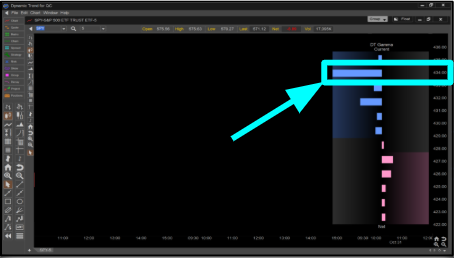
Thanks to liquidity levels, you can now track Wall Street’s undercover orders in real time…
And target daily returns every day the market’s open!