
🚨 I’ll be live at 2:30 p.m. ET with Alex Reid🚨
We’ll cover how to navigate the 2026 intersection of AI resilience and geopolitical energy shifts as the market pivots from speculative hype to verified profitability [tap to join us for Profit Panel]
You’ve probably seen the headlines about Iran threatening to close the Strait of Hormuz.
The energy markets jumped when the news first hit. 20% of the world’s oil supply flows through that narrow passage — only 21 miles wide — so you’d think a closure would send oil through the roof.
But here’s the thing — it’s not going to happen.
The Strategic Reality Nobody’s Talking About
The Strait of Hormuz is one of the most critical chokepoints on the planet.
Roughly a fifth of global oil supply moves through that corridor every single day, and major producers rely on it as their primary route to market. Any disruption would send shockwaves through the energy system — but a full closure is another story entirely.
First, the U.S. recently took out a significant portion of Iran’s naval capability — the same force Iran would need to enforce a blockade. With half their navy gone, the idea of sealing off an international waterway becomes more fantasy than strategy.
Then there’s the geography.
Iran controls only part of the passage. The remaining shipping lanes fall under the jurisdiction of other Gulf states backed heavily by U.S. protection. Shutting down the entire strait would require overwhelming sustained force, and Iran simply doesn’t have the assets left to pull that off.
And beyond that, there’s the logistics. Closing a maritime route isn’t like flipping a switch. It would take coordinated missile strikes, mines, patrol craft and continuous enforcement against a global coalition determined to keep the route open.
It raises the question: How would they even pull it off? The practical path just doesn’t exist.
That’s why the market popped on the headline, then quickly retraced. Traders realized the strategic and logistical math didn’t add up.
What This Means for Oil Markets
If Iran truly could close the strait, the oil market would be in a very different place right now. But the combination of U.S. military presence, weakened Iranian leadership and the sheer complexity of shutting down one of the world’s busiest energy corridors makes that scenario extremely unlikely.
You might see short-term volatility when these threats flare up, but the fundamental reality hasn’t changed.
The flow of oil through that 21-mile passage is too important, too protected and too central to global stability to be cut off by a nation operating with reduced military direction and limited capability.
When headline risk outruns strategic reality, that’s where opportunity shows up.
Clear-headed traders remember that markets often move first on fear — then settle back into what’s actually possible.
👉 Click here to join Profit Panel at 2:30 p.m. ET on weekdays!
Geof Smith
Geof Smith Trading
Follow along and join the conversation for real-time analysis, trade ideas, market insights and more!
- Telegram: https://t.me/+lm8_Nq3Su104NmFh
- YouTube: https://www.youtube.com/@FinancialWars
Important Note: No one from the ProsperityPub team or Geof Smith Trading will ever contact you directly on Telegram.
*This is for informational and educational purposes only. There is inherent risk in trading, so trade at your own risk.
P.S. 3-Decade-Long Trading Veteran Makes Stunning Revelation
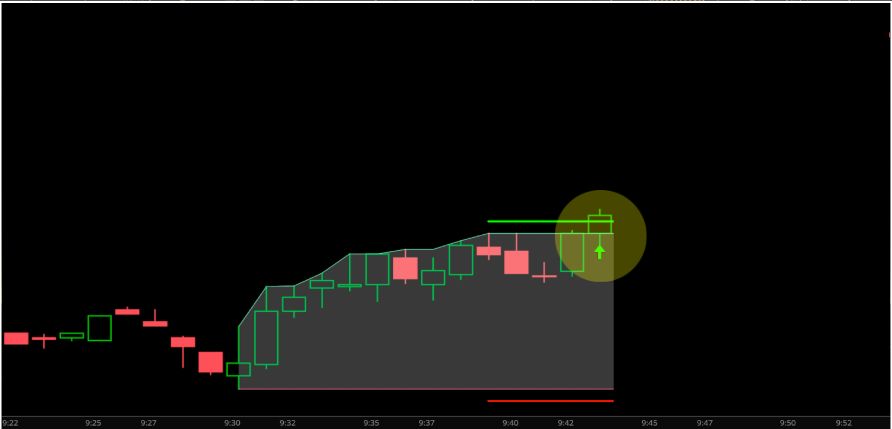
This 9:40 a.m. day trading secret has paid out up to $500 in 20 minutes or less on a $2,500 stake.
All by tapping one algo anomaly.
Wanna see the ropes?
Grab Your Popcorn — You’ll Love This
Disclaimer: The profits and performance shown are not typical; we make no future earnings claims, and you may lose money. From 11//11/24 through 2/23/25, the average win rate on live published trade alerts is 70%. The average weighted rate of return on options trades was 8.53% over a 1-day hold time.