🚨 I’ll be live at 10 a.m. ET with Nate Tucci🚨
We’ll cover spread basics including five types of spreads and more [tap to join us for Opening Playbook]!
Sometimes the most disciplined trading decision is walking away from what looks like a perfect setup. During some recent market analysis, I encountered several stocks that met all the technical criteria for fade trades but had one critical flaw — they were driven by earnings or major news events.
And with earnings ramping up again, it’s the perfect time to discuss…
Technical patterns lose reliability when a stock is moving on fresh catalysts, and I don’t want to trade names coming off earnings tailwinds or big news tailwinds. The movement simply isn’t natural enough.
That’s why I avoid names like GameStop (GME) or AMC Entertainment (AMC) as well — high-squeeze stocks with too many external forces at play. These setups may look clean on the chart, but the underlying conditions create unpredictable behavior that technical analysis alone can’t account for.
The Two-Week Rule
Timing is one of the most underrated filters in trading. A common question I get is whether certain stocks are too close to earnings to trade. Nvidia (NVDA) is a good example. Being near earnings doesn’t make a stock untradeable by default, but once the actual earnings day hits, the landscape shifts.
After earnings, I avoid the stock entirely and generally wait about two weeks before considering it again.
This window gives the stock time to digest the results, settle from exaggerated reactions and shed the noise that makes post-earnings setups so unreliable. Technical patterns become meaningful only once the fundamental re-rating has stabilized.
Alongside timing, sector strength plays a major role. Ideally, we should be trading strong stocks in strong sectors with no earnings in sight. Leaders tend to give cleaner, more reliable moves and reduce the number of external variables that can interfere with technical setups.
Navigating Market Conditions
Current market conditions also influence how selective we need to be. Choppy, indecisive markets are brutal for swing trades but create excellent environments for fade setups when the right filters are applied.
This mix of volatility and lack of direction is exactly why clean setups matter even more — one wrong catalyst can break a trade instantly.
Meta Platforms (META) showed why discipline is essential last quarter. You might think it’s a good time to fade after an earnings pop and decline, but when a stock is trading on news, it can continue in the same direction far longer than expected. Even if the trade might have worked from close to open, the risk isn’t worth the uncertainty.
During screening, I found multiple setups that were technically perfect that still ended up being rejected. One stock looked ideal, even showing support around the 50-day moving average, but it was right after earnings. If it weren’t for that, it would have been a textbook opportunity.
The underlying goal is simple: We want clean, natural market movement. When a stock is still reacting to news or earnings, the patterns aren’t natural yet — and that makes them traps rather than opportunities.
Graham Lindman
Graham Lindman Trading
Follow along and join the conversation for real-time analysis, trade ideas, market insights and more!
- Telegram:https://t.me/+abM5RWRJKrpkNWI5
- YouTube:https://www.youtube.com/@NewMoneyCrew
Important Note: No one from the ProsperityPub team or Graham Lindman Trading will ever contact you directly on Telegram.
*This is for informational and educational purposes only. There is inherent risk in trading, so trade at your own risk.
P.S. My No. 1 Daily setup and What Happens When You Hold Till the Close
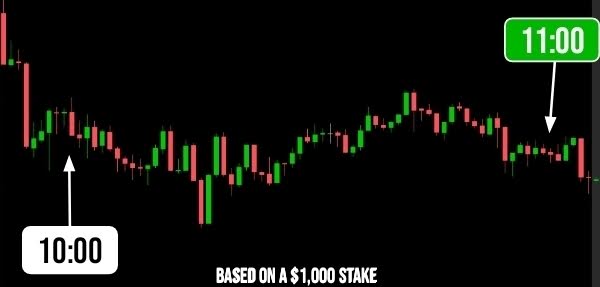
I’ve been showing you how to target 50% a day in less than an hour every morning using my No. 1 daily setup.
However, if you hold the same trade until the close, that 50% target quickly transforms into what could be a 100% payout!