
🚨 Profit Panel is live at 9:30 a.m. ET🚨
[tap to join us for Profit Panel]
You know what bothers me about the market sometimes?
When the economy does exactly what we’d want it to do — add jobs, show strength and prove resilience — investors dump stocks like the sky is falling.
That’s exactly what happened after the August jobs report came out. The headline number was solid, but then I started digging into the revisions and understood why traders were heading for the exits.
The Revisions That Changed Everything
They revised June and July up by 55,000 jobs. June alone went from negative 21,000 to positive 33,000.
That’s a dramatic swing.
Add it all up and we’re looking at almost 200,000 jobs gained across three months. Under normal circumstances, that’s the kind of number that makes everyone feel good about the economy.
But here’s the thing — a rock-and-rollin’ economy isn’t going to help inflation.
Employment isn’t the only concern, either. Crude oil had rallied from around $82 or $83 to roughly $90, adding another source of inflationary pressure through higher transportation, production and consumer costs.
Put strong hiring and rising energy prices together, and the Federal Reserve has even less reason to rush into rate cuts.
The possibility that rates could stay higher for longer — or that another increase could enter the conversation — is what spooked the market.
What It Means for Investors
I understand why people want lower rates. Homeowners want more affordable mortgages, business owners want cheaper financing and real estate investors may have rental properties they want to refinance.
Those are legitimate personal reasons to root for cuts.
But wanting lower rates and having economic justification for them are two different things. Based on these numbers, the data wasn’t giving the Fed much justification.
I’ll be honest — I’d lost track of time that morning and looked over shortly after the report’s release to see the market getting absolutely hammered.
My first thought was, what did I miss?
Then I remembered the jobs report was out. I saw the headline number above expectations and thought, okay, that’s solid.
So why were they hammering stocks?
Once I dug into the revisions, it clicked. The market didn’t want a strong economy at that moment.
It wanted rate cuts, and strong employment data pushed that timeline further out.
When a report like this starts stomping on the market, don’t make an emotional move based on the first red candle.
Read the revisions, watch rates and energy prices and understand which holdings are most vulnerable to tighter monetary policy.
Diversification can reduce concentration risk, while experienced traders may consider measured hedges rather than dumping everything at once.
This is one of those moments when good economic news becomes bad market news. It’s backwards, but it’s the reality we’re trading in.
The lesson? Don’t just read the headline number. The revisions matter. The broader inflation picture matters.
And understanding what the market wants — versus what’s good for the economy — matters even more.
Geof Smith
Geof Smith Trading
Follow along and join the conversation for real-time analysis, trade ideas, market insights and more!
- Telegram: https://t.me/+lm8_Nq3Su104NmFh
- YouTube: https://www.youtube.com/@FinancialWars
Important Note: No one from the ProsperityPub team or Geof Smith Trading will ever contact you directly on Telegram.
*This is for informational and educational purposes only. There is inherent risk in trading, so trade at your own risk.
P.S. I’m revealing the next set of Wall Street’s Sleeper Cell orders
My research led me to a hidden phenomenon that’s been giving Wall Street an edge for 64 years.
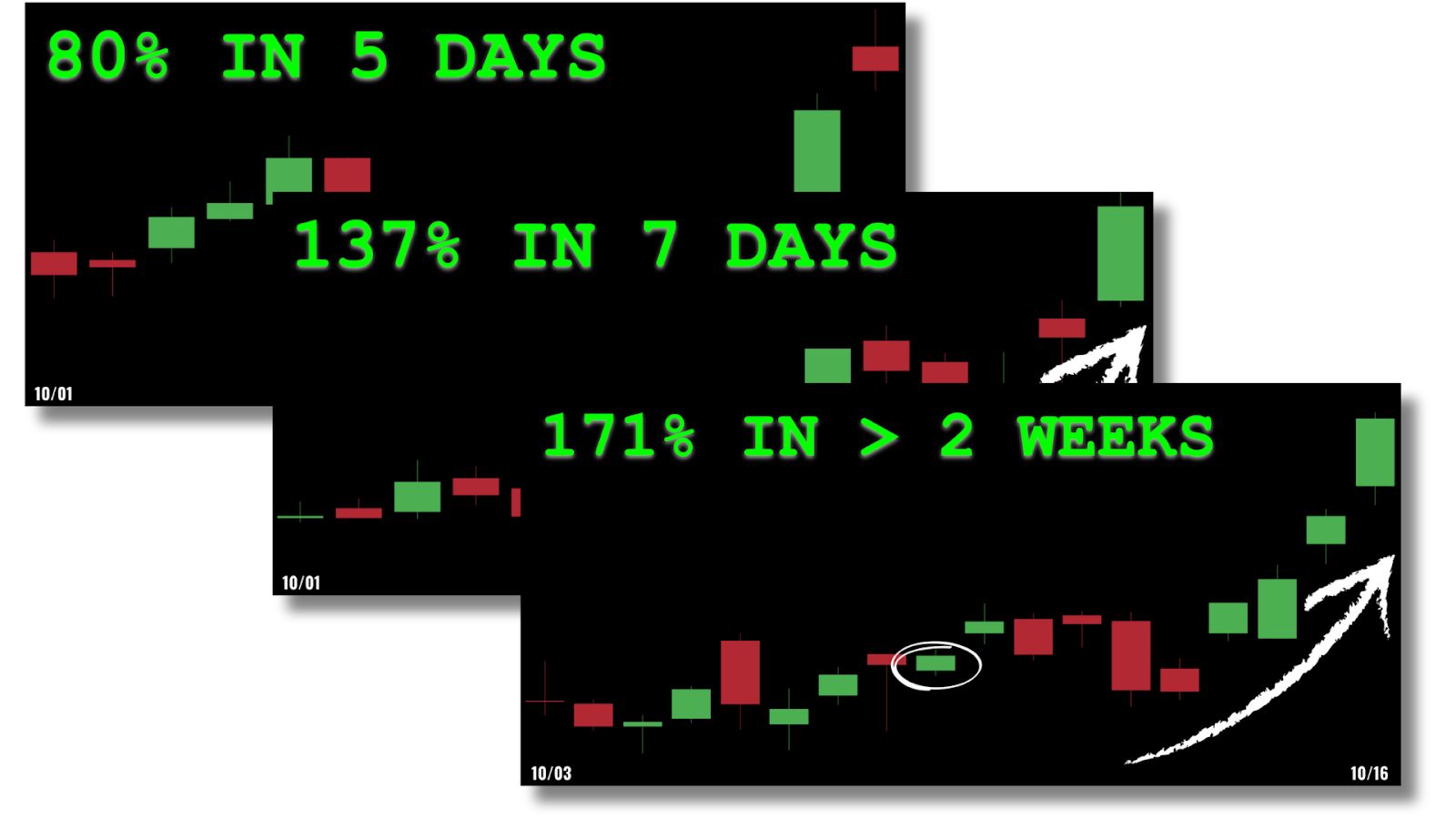
Now I’ve traced these sleeper cell orders to certain stocks set to surge this over the next few days