🚨 Profit Panel is live at 9:30 a.m. ET🚨
[tap to join us for Profit Panel]
There’s a lot of confusion about how interest rates actually work.
I see folks talking about the Treasury Department controlling rates or assuming the Federal Reserve sets everything across the yield curve.
That’s not how it works — and if you’re making decisions based on that assumption, you’re operating with bad information.
The Fed directly targets the federal funds rate — the overnight rate between banks.
Its policies can influence longer-term rates, but traders ultimately set yields on 10-year, 20-year and 30-year Treasurys based on supply, demand, inflation expectations and economic conditions.
Understanding the Treasury’s Impact on Rates
The Treasury can influence market conditions through the timing and composition of debt issuance.
It can also conduct buybacks that may support liquidity and smooth parts of the yield curve.
But influence isn’t control. The Treasury doesn’t simply choose where long-term yields trade.
Foreign demand matters, too. Japan is one of the largest foreign holders of U.S. Treasury securities, so shifts in demand from Japanese institutions — along with other major overseas buyers — can affect bond prices and yields.
This is a global market, not a closed system.
Bond purchases also need context. When experienced investors buy Treasurys during a critical event, that doesn’t automatically mean they expect everyone else to lose money.
They may be seeking safety, income, liquidity or portfolio protection. Watch what major investors do, but don’t copy a trade without understanding why it fits their portfolios.
Rates Are Sitting at Resistance
Rates are at resistance right now. If they break through, they could move considerably higher — and higher rates put immediate pressure on equity valuations, especially growth names priced on future earnings.
Higher rates also make bonds more competitive with stocks, raise mortgage and corporate borrowing costs and tighten financial conditions across the economy. That changes the whole landscape.
Geopolitical tensions add another layer. The Russia-Ukraine war and other conflicts can drive safe-haven bond buying, lift inflation expectations through energy and commodity shocks or increase government borrowing needs.
Those forces can pull yields in different directions, which is another reason not to reduce this setup to a single headline.
I’m watching this level closely. I’m not panicking or predicting doom. I’m respecting what the tape is showing me and recognizing that a break above resistance changes the playbook.
I’m keeping position sizes modest and staying flexible. If rates hold here and roll over, that helps keep the equity rally alive. If they break through and start climbing, I’ll adjust accordingly.
This is one of those spots where patience pays. Know your levels, respect the structure and don’t let someone else’s misunderstanding of how rates work talk you into a bad trade.
Geof Smith
Geof Smith Trading
Follow along and join the conversation for real-time analysis, trade ideas, market insights and more!
- Telegram: https://t.me/+lm8_Nq3Su104NmFh
- YouTube: https://www.youtube.com/@FinancialWars
Important Note: No one from the ProsperityPub team or Geof Smith Trading will ever contact you directly on Telegram.
*This is for informational and educational purposes only. There is inherent risk in trading, so trade at your own risk.
P.S. How to Join in as We Go After the Next Silver Opportunity
We’ve recorded an impressive run trading silver over the last year…
So before a new payout window opens up for us… Let me show you how to position.
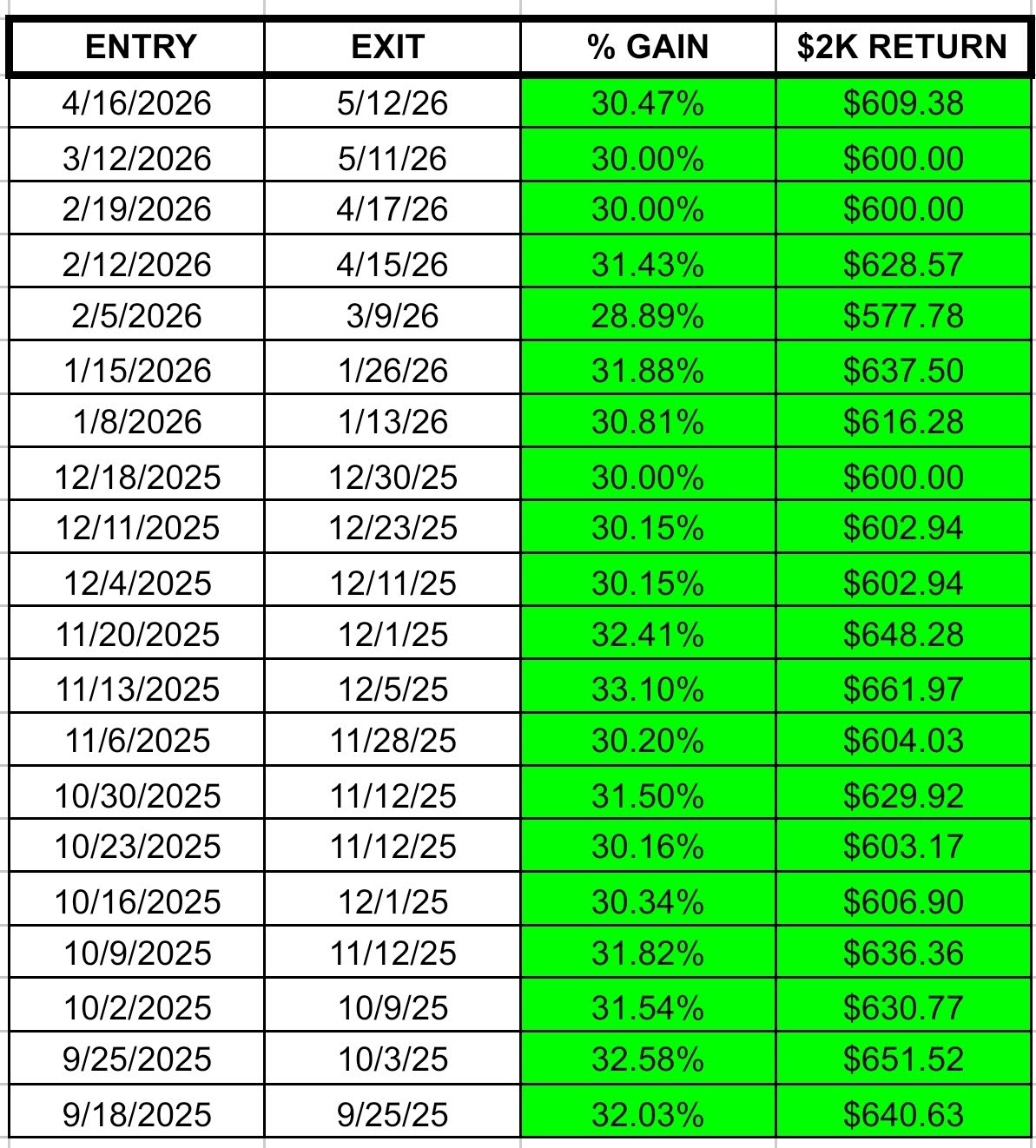
Disclaimer: We develop tools and strategies to the best of our ability, but we can’t guarantee the future. There is always a risk of loss, as past performance is not indicative of future results. Since LIVE trading began on 9/18/25, there have been 20 winners with 5 signals still open, continuing the undefeated streak. In LIVE trading, the average return has been 32.05% and the average hold time has been 24 days.